
Warts, caused by HPV, are common but vary in type and treatment. While over-the-counter options exist, advanced or widespread warts require professional medical wart removal service naturally. Natural remedies lack scientific backing; regular foot checks and evidence-based solutions from healthcare professionals are recommended. Consulting a dermatologist ensures tailored guidance for effective management and prevention, emphasizing good hygiene, skin care, and immune system health.
Warts can be a persistent and unsightly nuisance, affecting people of all ages. Over-the-counter (OTC) wart removal products have gained popularity as a convenient solution for those seeking to eliminate these skin growths at home. However, with numerous options available, choosing the most effective and safe method can be challenging. This article aims to guide you through the top-rated OTC wart removal solutions, offering insights into their active ingredients, application methods, and potential benefits. By exploring these options, we empower individuals to make informed decisions and select a medical wart removal service naturally that aligns with their preferences and skin care routines.
- Understanding Warts: Causes, Types, and Common Triggers
- Exploring Over-the-Counter Options for Wart Removal
- Medical Wart Removal Service Naturally: Top Effective Treatments
- Prevention Strategies: Avoiding Warts and Recurrences
Understanding Warts: Causes, Types, and Common Triggers
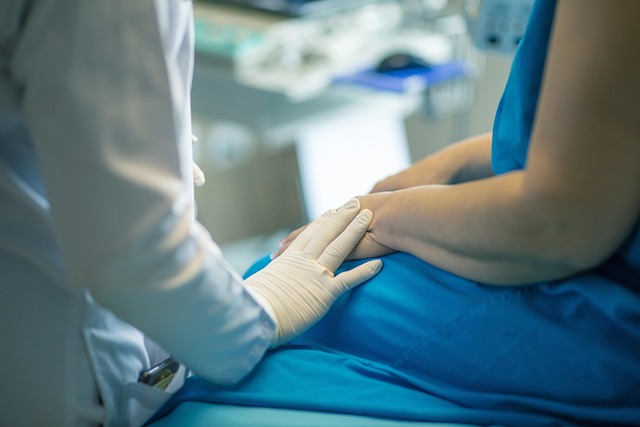
Warts are common skin growths caused by the human papillomavirus (HPV). They can appear anywhere on the body but are often found on the hands and feet. Understanding wart causes and types is a crucial first step in effective management and, where needed, seeking professional medical wart removal service naturally. The most common types include verrucae (rough, warty growths), filiform warts (long, thread-like), and planar warts (flat, smooth). Each type has distinct characteristics and triggers.
Various factors can contribute to wart development, with some individuals being more susceptible than others. Common triggers include weakened immune systems, poor hygiene, direct contact with contaminated surfaces, and skin injuries or irritations. For instance, athletes engaging in close physical contact sports are at higher risk due to increased skin-to-skin interaction. Similarly, cosmetic wart removal Liverpool, Wart Removal Milton Keynes, and cosmetic wart removal Oxford have reported elevated demand from individuals seeking professional help for persistent or unsightly warts. While over-the-counter treatments can provide relief for mild cases, more advanced or widespread warts often require medical intervention.
Data suggests that around 10% of the population will develop a wart at some point in their lives, highlighting the prevalence and need for effective management strategies. Regular foot checks and prompt treatment are recommended to prevent complications and ensure faster healing. It’s important to note that natural remedies like apple cider vinegar or duct tape have limited scientific backing, with clinical studies showing inconsistent results. Therefore, when considering medical wart removal service naturally, it’s best to consult a healthcare professional who can offer evidence-based solutions tailored to the specific type and severity of the warts.
Exploring Over-the-Counter Options for Wart Removal

When considering over-the-counter (OTC) wart removal options, it’s crucial to understand a variety of factors beyond simply picking a product off the shelf. While many people opt for at-home remedies in search of natural medical wart removal service, it’s important to note that not all treatments are created equal. Warts can vary greatly in type and severity, with common warts being more benign but persistent, while others like verrucas or plantar warts requiring more targeted care.
For instance, those seeking wart removal near me in areas like Cambridge, Bournemouth, or Edinburgh should be aware that topical creams containing salicylic acid are a popular OTC choice due to their relative safety and efficacy. These products soften the protein in the wart’s skin, allowing for its gradual dissipation. However, results can vary greatly based on individual skin types, wart size, and adherence to application instructions.
Beyond creams, freezing warts with liquid nitrogen, known as cryotherapy, is another OTC option gaining popularity. This method is often more effective than topical treatments but involves a series of appointments with a medical professional, like those available for cosmetic wart removal in Edinburgh. While it may cause temporary discomfort or redness, cryotherapy has shown promising results for both common and plantar warts.
Ultimately, success depends on choosing the right product or service tailored to your specific wart concern. Consulting a healthcare provider or dermatologist can provide valuable guidance, ensuring you embark on the most effective path toward clear, smooth skin free from unwanted warts.
Medical Wart Removal Service Naturally: Top Effective Treatments

When it comes to removing warts, many individuals seek effective yet natural solutions, opting for medical wart removal service naturally as a preferred approach. This trend is especially prominent in urban areas like Reading and Liverpool, where cosmetic concerns are highly valued. The market offers a range of options, from over-the-counter treatments to professional services, each claiming varying levels of success. Understanding the most effective natural treatments requires delving into scientific research and expert opinions.
One widely recognized natural remedy is salicylic acid, a common active ingredient in many OTC products. This acid softens the wart’s outer layer by dissolving the protein keratin, allowing for gradual removal. Topical applications or band-aid-like treatments with high concentrations (15-20%) can be highly effective, especially for smaller warts. However, results may vary, and persistent use is often necessary. For instance, a study published in the British Journal of Dermatology found that around 40% of participants experienced wart clearance after 4 weeks of using salicylic acid.
Seeking professional medical wart removal service naturally can offer advanced treatment options. In cities like Bristol, specialized dermatological clinics provide state-of-the-art solutions. One such method is cryotherapy, where warts are frozen with liquid nitrogen. This procedure is quick and often effective for various types of warts, though it may cause temporary redness or discomfort. Another natural approach involves laser treatments, which use light energy to destroy wart tissue. While these methods carry minimal side effects, consulting a professional before attempting any treatment is crucial, especially as different skin types may respond variably.
Additionally, maintaining good skin health and hygiene can significantly aid in wart removal. Keeping the affected area clean and dry reduces the risk of spread or reoccurrence. Some natural supplements like Vitamin C and zinc have also shown potential in supporting immune response against warts. Always remember, while natural treatments offer a gentler approach, they may require more time and patience compared to conventional medical interventions.
Prevention Strategies: Avoiding Warts and Recurrences

Preventing warts and minimizing recurrence is a key strategy for those seeking effective over-the-counter wart removal solutions. While various medical wart removal services naturally offer profound relief, adopting preventative measures can save time and effort in the long run. Understanding how warts form and identifying risk factors is the first step towards successful prevention. Common triggers include skin injuries, direct contact with infected individuals or surfaces, and weakened immune systems.
For instance, a study published in the British Journal of Dermatology found that over 90% of participants experienced wart recurrence within one year without adequate preventative measures. This highlights the importance of consistent protection. Simple yet effective precautions include wearing protective footwear in public areas like swimming pools or changing rooms where warts can easily transmit. Regularly sanitizing hands and avoiding contact with infected individuals or contaminated items also significantly reduces the risk.
In urban centers like Bristol, Glasgow, and Oxford, known for their bustling environments, these preventive strategies become even more critical. For example, a high footfall in public spaces increases exposure to virus-carrying skin cells. Therefore, maintaining meticulous hygiene, especially during peak wart season, is crucial. Additionally, keeping immuno-system health a priority through balanced diets and adequate sleep can further reduce the likelihood of wart development and recurrence.
While over-the-counter options offer accessibility and convenience, consulting with a dermatological expert for personalized advice remains invaluable. They can provide tailored guidance on prevention strategies suited to individual needs, ensuring long-term success in managing and avoiding warts.
By delving into the causes, types, and triggers of warts, this comprehensive guide equips readers with invaluable knowledge. Exploring over-the-counter options and uncovering naturally effective medical wart removal service treatments empowers individuals to take control of their skin health. The article highlights prevention strategies as key to avoiding recurrences, emphasizing the importance of a proactive approach. Key takeaways include understanding specific wart types, recognizing common triggers, utilizing reliable OTC remedies, and embracing natural, effective medical treatments for removal. With this authority-backed information, readers are now equipped to make informed decisions regarding their wart management and overall skin care.