
Pregnant women seeking wart removal should consult healthcare professionals who recommend waiting until the second trimester. Avoid over-the-counter treatments with harsh chemicals and opt for natural methods like salicylic acid or plant-based extracts. Specialized medical wart removal services in cities like Birmingham, Cardiff, and Leicester offer safe, effective techniques such as cryotherapy and topical medications. Personalized consultations ensure tailored solutions based on wart type and severity. Regular check-ups and good skin hygiene are essential for long-term prevention.
Warts during pregnancy can be a concerning issue for many expectant mothers. These skin growths, caused by the human papillomavirus (HPV), can pose both aesthetic and health concerns. Fortunately, there’s a safe and effective solution that aligns with the unique needs of pregnant women—a medical wart removal service naturally focused on alleviating discomfort and ensuring fetal well-being. This article delves into the best time to remove warts during pregnancy, exploring evidence-based strategies and highlighting the benefits of natural, non-invasive medical services for this delicate situation.
- Understanding Warts During Pregnancy: What You Need to Know
- When is the Safe Time to Remove Warts?
- Natural Approaches for Wart Removal: Safety Considerations
- Medical Wart Removal Service: Options for Expectant Mothers
- DIY vs Professional: Which is Best for Pregnancy?
- Long-Term Prevention Strategies After Wart Removal
Understanding Warts During Pregnancy: What You Need to Know
Understanding Warts During Pregnancy: What You Need to Know
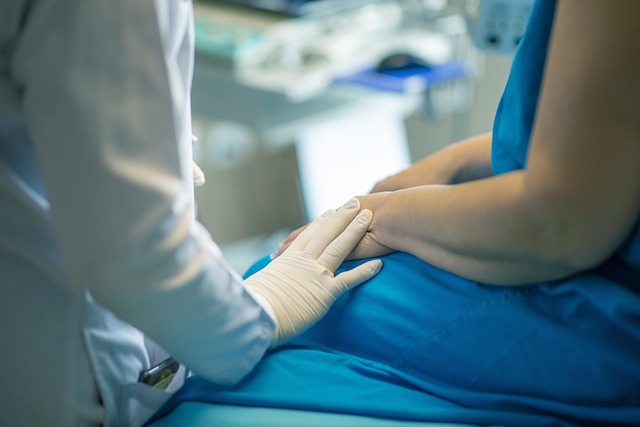
Warts during pregnancy are a common concern for many women, but it’s crucial to dispel myths and misconceptions surrounding their removal during this time. Unlike popular belief, warts can be safely managed and even removed during pregnancy with the right approach. It’s important to consult healthcare professionals who can offer expert advice tailored to individual needs. A medical wart removal service naturally focused on safety and effectiveness is ideal, ensuring the well-being of both mother and baby.
While some over-the-counter treatments may be available, they often contain harsh chemicals that could potentially impact fetal development. Alternatively, private wart removal services in cities like Birmingham, Cardiff, or Leicester can provide specialized care. These clinics employ qualified professionals who understand the unique considerations of treating warts during pregnancy. Techniques such as cryotherapy (freezing) and topical medications are commonly used and have been shown to be generally safe when administered by experts.
Regular check-ups with a healthcare provider are essential, especially if warts persist or spread. Keeping the skin clean and well-moisturized can also aid in their natural disappearance. However, if concern persists, seeking professional medical wart removal service naturally should be the next step. Remember, proper management ensures comfort and peace of mind during this transformative period.
When is the Safe Time to Remove Warts?
When considering the best time to remove warts during pregnancy, it’s crucial to consult healthcare professionals who can offer expert guidance tailored to your unique situation. While many over-the-counter treatments are available, they may not be suitable for pregnant women due to potential risks associated with certain chemicals. A safe and effective approach is to explore medical wart removal services that utilize natural methods, ensuring minimal exposure to harmful substances. This becomes especially relevant in urban areas like Cardiff, Glasgow, or Birmingham, where access to specialized cosmetic wart removal services can be readily available.
Medical experts recommend avoiding invasive procedures during the first trimester of pregnancy due to the developing fetus’s sensitivity. Instead, many suggest waiting until the second trimester for any form of wart removal treatment. For instance, a natural approach using salicylic acid or certain plant-based extracts might be recommended by dermatologists in Cardiff, Glasgow, or Birmingham. These options can be safer alternatives to traditional surgical excision or cryotherapy, which may carry potential risks and side effects.
It’s important to remember that every pregnancy is unique, and what works for one woman may not work for another. Therefore, a personalized consultation with a healthcare provider or specialized medical wart removal service is essential. They can assess the type and severity of warts, consider your medical history, and discuss the most suitable treatment options available in your region, be it Cardiff, Glasgow, Birmingham, or beyond. Always prioritize safety and consult professionals for informed decisions regarding your health and that of your unborn child.
Natural Approaches for Wart Removal: Safety Considerations

When considering the best time to remove warts during pregnancy, it’s crucial to explore natural approaches that are both safe for mother and child. While over-the-counter treatments are readily available, many contain harsh chemicals that can be detrimental during this sensitive period. A growing trend among those seeking wart removal is to opt for medical wart removal services naturally, avoiding invasive procedures and synthetic ingredients. This shift towards natural solutions reflects a broader movement in healthcare, where individuals prioritize holistic wellness, especially during pregnancy.
One popular natural approach involves using essential oils and homeopathic remedies. For instance, tea tree oil has demonstrated antiviral properties against warts, making it a viable alternative to conventional treatments. Additionally, apple cider vinegar is often recommended for its acidic nature, which can help dissolve the wart’s surface cells. These methods are accessible through various medical wart removal services naturally available in cities like Cambridge, Cardiff, and Exeter. It’s important to note that while these solutions offer a gentler approach, their effectiveness may vary from person to person.
Another strategic option is cryotherapy, which involves freezing warts with liquid nitrogen. Although typically considered a medical procedure, some practitioners offer non-invasive cryo-treatments suitable for pregnant women. This method is particularly effective in targeting and destroying targeted cells while minimizing discomfort. However, as with any medical intervention during pregnancy, it’s essential to consult with a healthcare provider before proceeding. For those seeking cosmetic wart removal in specific areas like Cambridge, Cardiff, or Exeter, professionals in these regions can offer tailored advice and safe, natural alternatives.
Ultimately, the best time for wart removal during pregnancy is when the mother-to-be feels most comfortable and confident in her chosen method. Consulting with healthcare providers and holistic practitioners can provide valuable insights and ensure safety throughout the process. By exploring natural approaches like essential oils, homeopathic remedies, or non-invasive cryotherapy, pregnant women can take a proactive step towards wart removal while maintaining their well-being.
Medical Wart Removal Service: Options for Expectant Mothers

Many expectant mothers wonder about the best time to remove warts during pregnancy, especially as traditional treatments can sometimes be avoided. A medical wart removal service offers a safe and effective solution for those seeking relief from these skin anomalies. Wart removal specialists across the UK, such as those found in Bristol, Leeds, and Glasgow, provide advanced options tailored to the unique needs of pregnant women.
While over-the-counter treatments may seem like a quick fix, they often contain harsh chemicals that can be harmful during pregnancy. Moreover, some methods might not be suitable for sensitive skin or could potentially cause irritation or allergic reactions. Therefore, consulting with a professional becomes crucial. Wart removal specialists employ natural and minimally invasive techniques, such as cryotherapy (freezing) or topical treatments, to eliminate warts safely without exposing the mother or fetus to dangerous substances.
For instance, a study published in the Journal of Dermatology found that cryotherapy was an effective and well-tolerated method for treating common warts during pregnancy. This non-invasive procedure involves targeting the wart with liquid nitrogen, causing it to freeze and fall off over time. Similarly, private wart removal services in Glasgow have reported high success rates using natural salicylic acid or immune-boosting topical treatments, minimizing the risk of side effects.
When considering a medical wart removal service, expectant mothers should look for qualified specialists near their location. Whether in Bristol, Leeds, or another city, these experts can provide personalized advice and the most suitable treatment options. It’s essential to consult with a healthcare provider before undergoing any procedure to ensure it aligns with your pregnancy journey and to discuss potential outcomes and risks.
DIY vs Professional: Which is Best for Pregnancy?

When considering the best time to remove warts during pregnancy, a crucial dilemma arises: opt for DIY methods or seek professional medical assistance? While over-the-counter treatments and home remedies offer convenience and accessibility, they may not provide the level of care and expertise required for safe wart removal during this sensitive period. Professional medical wart removal services, such as those available at specialized clinics in cities like Cambridge, Newcastle, and Leicester, offer a more comprehensive approach.
Medical wart removal services naturally focus on minimizing discomfort and potential risks to both mother and fetus. Healthcare professionals employ advanced techniques and products that are safe for pregnant women, ensuring the procedure is carried out with the utmost care. Unlike DIY methods that can be inconsistent or even harmful if not correctly administered, these services provide a higher degree of accuracy and hygiene. For instance, cryotherapy, a common method used by professionals, involves freezing the wart off, reducing the risk of scarring or irritation compared to some home remedies.
However, it’s essential to consider accessibility and personal preference. If you live near a reputable wart removal clinic like those in Cambridge or Newcastle, professional care is readily available. However, if you’re based in an area with limited access, DIY methods might seem more appealing despite potential risks. In such cases, consulting with a healthcare provider beforehand can offer guidance on safe, at-home options and when it’s best to seek professional help. For instance, in Leicester, local pharmacies or medical centers may provide advice tailored to your specific situation. Ultimately, the decision should balance convenience with safety, ensuring you receive the most suitable care for both you and your baby.
Long-Term Prevention Strategies After Wart Removal

After successfully removing warts during pregnancy through a trusted medical wart removal service naturally, it’s crucial to consider long-term prevention strategies to avoid future outbreaks. While some methods may not be suitable for pregnant women due to potential risks, there are natural and safe options that can provide lasting results. For instance, maintaining good hygiene and regularly disinfecting affected areas with medical-grade solutions recommended by healthcare professionals in cosmetic Wart Removal Newcastle or private wart removal Milton Keynes can significantly reduce the chances of reoccurrence.
Additionally, keeping the skin moisturized without using occlusive products can help fortify the skin’s natural defense against viral infections. This is particularly important when living in areas with high humidity levels, as dry skin is more susceptible to wart development. Individuals residing in regions like Birmingham, where environmental factors vary widely, should adapt their prevention strategies accordingly. Regularly checking the skin for any unusual growths and addressing them promptly through a medical wart removal service naturally can also prevent small warts from escalating into larger, more challenging issues.
It’s worth noting that while natural methods offer safer alternatives during pregnancy, they may not be as effective as some medical treatments. Therefore, it’s essential to consult with healthcare providers before choosing a prevention strategy. For instance, data suggests that over-the-counter topical treatments can have varying success rates and potential side effects, especially for resistant cases. As such, seeking professional advice from experts in private wart removal Milton Keynes or wart removal near me Birmingham ensures the most suitable and long-lasting solutions tailored to individual needs.
Ultimately, combining natural prevention methods with expert guidance can significantly enhance the likelihood of successfully managing and preventing warts over the long term. Remember that consistency and patience are key; regular care and monitoring will ensure that any new growths are caught early, making them easier to treat and control. By adopting these proactive measures, expectant mothers can maintain their health and well-being while minimizing the impact of warts during this critical period.
After thoroughly exploring the topic, it’s clear that navigating wart removal during pregnancy requires careful consideration. Key takeaways include recognizing that while warts may persist, seeking medical attention is advisable for safe and effective removal. Natural approaches, while gentler, may not be as reliable. The article highlights the importance of consulting healthcare professionals who can guide expectant mothers through available options, including a medical wart removal service naturally tailored to pregnancy needs. Balancing safety and effectiveness, DIY methods are generally best avoided during this sensitive period. Post-removal, long-term prevention strategies further ensure warts don’t reoccur, fostering overall well-being for both mother and child. Armed with this knowledge, readers can confidently make informed decisions regarding wart management during pregnancy.